How to Choose a Multi-Device Charger?
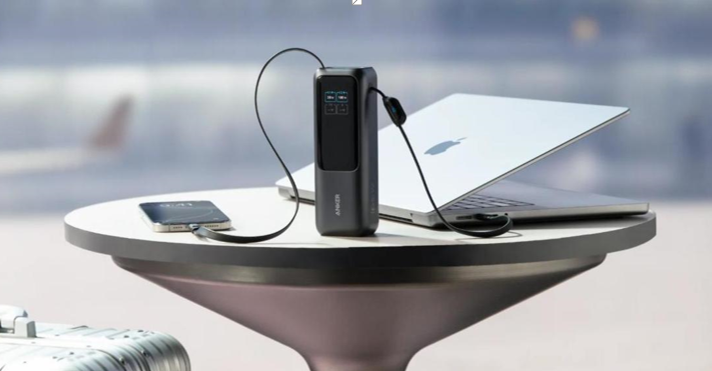
People today rely on a growing collection of digital devices—phones, tablets, earbuds, watches, handheld consoles, and sometimes even work accessories—that all need regular charging. Many users find themselves running out of outlets, swapping plugs throughout the day, or carrying more chargers than they want when traveling. A single, well-chosen multi-device charger can calm this daily chaos and add more convenience to your routine. Before you buy one, it’s worth taking a measured look at your devices, how much power they need, and what features best support long-term safe use; in this article, you’ll learn how to evaluate all of these factors clearly and confidently.
Assess Your Total Power Needs
Calculate the Combined Wattage of All Your Devices
Understanding your devices’ total wattage requirement is the foundation of choosing the right multi-device charger. Every gadget has a preferred charging speed—some phones draw 20–30W, tablets often need 30–45W, and laptops may require 60W or more. Add these numbers together to estimate the full load the charger may need to support. Even if you don’t charge everything simultaneously, planning for peak usage prevents slowdowns or unexpected overloading. Think about how your routine flows: perhaps you charge a tablet and phone overnight, but power up your earbuds and smartwatch during the morning. Accounting for such patterns ensures that your charger never struggles to keep up with your lifestyle and stays efficient during heavy-use moments.
Ensure the Charger’s Total Output Meets Your Demand
Once you have a rough wattage estimate, compare it directly with the charger’s listed maximum output. A good rule is to pick a model that slightly exceeds your total requirement so it can handle occasional additional devices without slowdowns. Keep in mind that some chargers split their power dynamically, meaning each port can deliver different wattages depending on the connected devices. You should also confirm that the charger can provide enough wattage to devices that need fast charging, especially tablets or laptops. A charger that barely matches your total wattage may produce slower performance, so choosing a unit with comfortable overhead helps maintain smooth charging experiences in daily life.
Choose the Right Port Types and Combinations
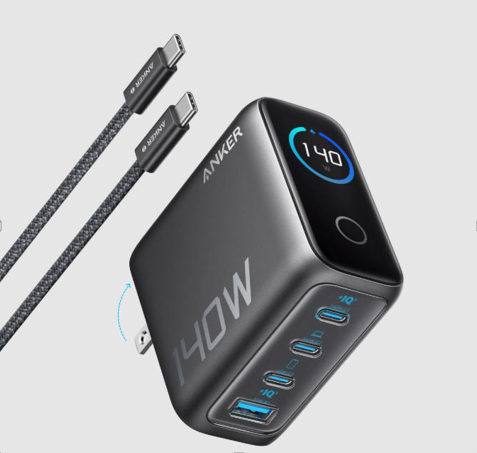
Different gadgets rely on different port standards, and your charger should reflect that variety. USB-C has now become the main standard for fast charging and high power output, making it ideal for phones, tablets, and even many laptops. USB-A still remains useful for accessories like older earbuds, cameras, or fitness trackers. When selecting a charger, think about how many of each port type you need to avoid constantly swapping cables. Paying attention to supported charging protocols—such as Power Delivery (PD) or Quick Charge—can help ensure your devices receive the right level of power. A well-chosen port combination minimizes cable clutter, reduces friction in your routine, and avoids the irritation of trying to match incompatible ports during busy moments.
Consider Charger Size and Technology
Opt for Compact GaN Chargers for Portability
Gallium Nitride (GaN) technology has transformed the charging landscape by allowing chargers to deliver high wattages with far smaller footprints. If you travel frequently or prefer a tidy workspace, a compact GaN charger feels almost effortless to carry and place. These chargers typically stay cooler and more energy-efficient than older silicon-based designs. Their reduced size doesn’t compromise performance; instead, they often support multiple ports while remaining surprisingly lightweight. Choosing a GaN-enabled device also allows your charger to stay relevant longer as your device collection grows.
Evaluate Fixed Cord vs. Detachable Cable Designs
Different lifestyles benefit from different charger designs. A fixed-cord charger is simple and reliable, making it appealing for home use where the charger stays in one place. A detachable cable design offers more flexibility, letting you replace cables, adjust lengths, or switch between USB-C and USB-A as needed. Consider how much you move your charger throughout the day—between rooms, to the office, or inside a travel bag. A flexible cable system often matches a dynamic routine better, while a fixed-cord model may suit someone who values simplicity and consistency.
See also: How Wearable Technology Is Influencing Healthcare and Fitness
Verify Safety and Certification
Look for Essential Safety Certifications
Choosing a charger with proper safety features is essential, particularly if you plug in several devices at once. Look for certifications such as overcurrent protection, overheating protection, and safeguards against short circuits. These protections help prevent accidents and ensure long-term stability and reliability. Chargers without proper safeguards may run hotter, degrade faster, or pose unnecessary risks. A unit designed with comprehensive safety in mind not only protects your gadgets but also contributes to a worry-free daily charging routine.
Choose Reputable Brands for Reliability
A multi-device setup means more dependence on a single charger, so brand reliability directly translates into peace of mind. When comparing options, prioritize brands known for consistent performance and responsible engineering. This is especially helpful when using universal charging setups like a multi usb charger, which simplifies your routine but requires trustworthy build quality. At this point, many users choose an Anker charger because it consistently delivers stable performance, durable construction, and safety-focused design—creating a dependable anchor for a multi-device charging workflow.
Conclusion
Creating a smooth and efficient charging system isn’t just about reducing clutter; it’s about building a routine that supports your daily life with minimal friction. By understanding power needs, choosing the right ports, evaluating modern technologies, and confirming safety features, you ensure that your multi-device charger becomes a reliable partner rather than a source of frustration. Each thoughtful decision you make leads to a cleaner space, fewer cables, and a more predictable charging experience. With the right charger, powering your devices becomes a nearly invisible part of your day—quiet, consistent, and effortlessly organized.