Everest Base Camp Helicopter Tour: What the Journey Really Looks Like From Kathmandu to the Himalayas
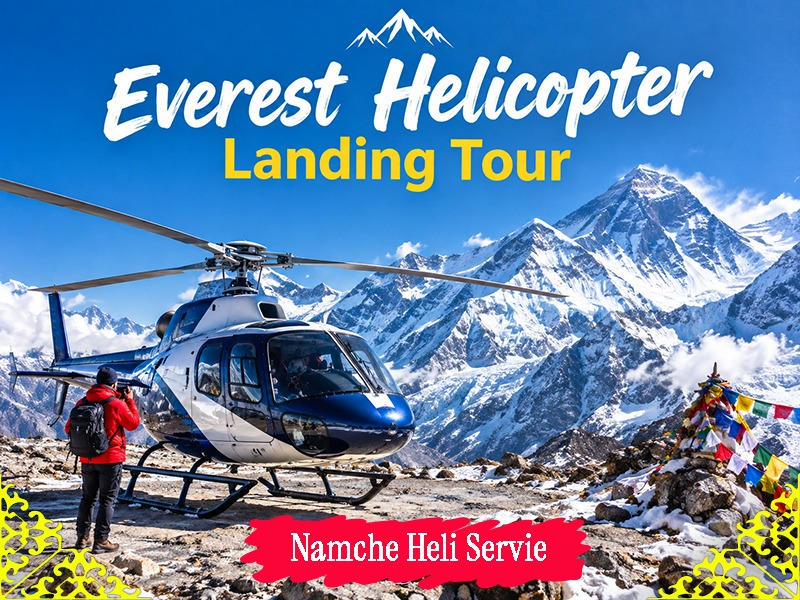
Say you’ve got a week in Nepal. Maybe less. The classic walk to Everest Base Camp swallows well over a week by itself, and not everybody has that kind of time, or the knees for it. That’s usually where an Everest Base Camp Helicopter Tour starts to look interesting.
But here’s what most people overlook. The best part isn’t one quick look at Everest. It’s watching the whole landscape change beneath you. So what does the journey look like? Roughly like this: Kathmandu, a mountain flight, the Lukla area, the Khumbu valleys, the Everest region, and back to Kathmandu. The exact route shifts from operator to operator, and from day to day.
From Kathmandu to the Mountains: Where the Journey Really Begins
Leaving Kathmandu Behind
Mountain flights start early, and there’s a reason. Mornings tend to give the clearest air, before cloud builds up in the valleys. Clear air matters more than most people think, because it decides how much of the range you actually see. A hazy morning and a sharp one can feel like two different trips.
The city doesn’t fade out slowly. Dense rooftops give way to terraced hills, then ridges, then bigger ridges.
Kathmandu to Lukla Helicopter: What This Part Means
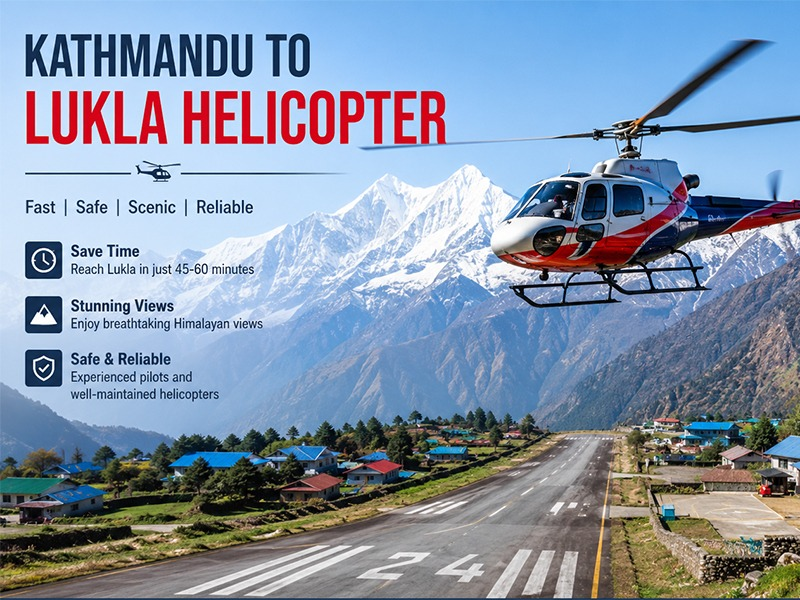
A Kathmandu to Lukla helicopter flight is often the first big leg. Lukla is the main gateway to the Khumbu, the place walkers have traditionally started from. Don’t picture it as a magic jump straight to Everest, though. Lukla marks the shift from Nepal’s middle hills into proper high-mountain country. Depending on the operation and route, it might be a stop, or just something you pass near. Check what your flight actually plans to do there.
Lukla Is More Than a Stop on the Map

Lukla’s name is tied to Everest for good reason. Almost everyone heading up the valley on foot passes through. You’ll notice trekkers sorting gear, porters moving loads, and small aircraft working one of the more demanding airstrips around. The air feels thinner and cooler, and the mood is different from Kathmandu, quieter and more purposeful.
The return leg feels different too. After time among the high valleys, a Lukla to Kathmandu helicopter flight brings you back over land that slowly turns greener and more crowded with homes and fields. It’s a gentle re-entry, in a way.
From Lukla Toward Everest: How the Landscape Changes
This stretch is where the flight earns its keep. Near Lukla the valleys are forested and steep. Sherpa villages cling to the slopes, and Namche Bazaar sits in its bowl-shaped hillside like a natural amphitheater. Push further up and the trees thin out. Then they vanish. Rock takes over, glaciers appear, and the big peaks stop being background and start dominating the view.
Why the Flight Feels Different From a Trek
Neither is better, they’re just different things. In a helicopter you cover huge distance fast, get an aerial view no trail can give you, and spend limited time on the ground.
Trekking is the opposite. Progress is slow, you meet people in villages, and you feel altitude building in your legs and lungs day after day. One shows you the shape of the region. The other lets you live in it for a while.
What You Actually See Around the Everest Region
Up here, the cast list gets long: Mount Everest itself, plus Lhotse, Nuptse and Pumori, all crowded around the Khumbu Glacier. It helps to know a few names, because people mix them up.
Everest Base Camp
This is the famous trekking destination and the staging area for climbing expeditions. It sits on the glacier, and honestly, Everest itself isn’t that dramatic from there.
Kala Patthar
A well-known viewpoint for wide mountain views across the Everest region, and a popular choice for the panorama.
Aerial Perspective
From the air, you read the valleys, glaciers and mountain walls as one connected system. That’s the real payoff.
One caution: don’t assume a specific landing spot unless the operator confirms it in writing. Where a helicopter can touch down depends on weather, operations and aviation rules on the day.
Where Lobuche Fits Into the Journey
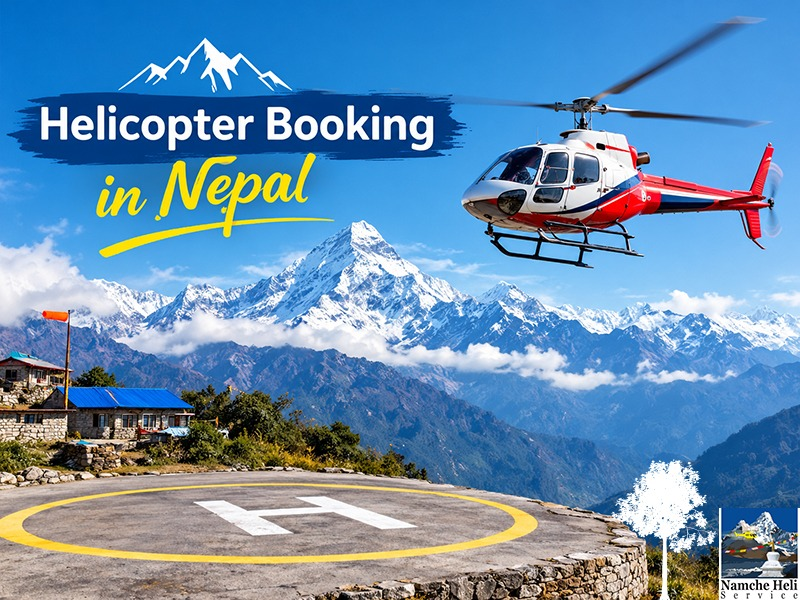
Lobuche is a high settlement on the Everest Base Camp trekking route, far deeper into the Khumbu than Lukla. People searching for a Lobuche to Kathmandu helicopter are usually thinking about a return, or an evacuation-style connection from the high region, not a normal sightseeing flight. Availability, landing permissions and weather can all get in the way.
On the ground, the typical trekking order runs Lobuche, Gorak Shep, Everest Base Camp, Kala Patthar, then back down to Lukla and Kathmandu. Helicopter tours don’t all follow that sequence, so treat it as context, not a promise.
What the Day Feels Like From a Passenger’s Point of View
Expect an early start, then paperwork and airport or helipad procedures. Then often some waiting. Weather or operational clearance can hold things up, sometimes for a while, so patience is part of the deal.
Once you’re in the air, it’s loud and the cabin is snug. The views change fast. The surprising part is how quickly Kathmandu disappears. One moment the city fills the window, and not long after, it’s almost entirely mountains. Landings and takeoffs at altitude can feel different from what you’re used to, too. Stay flexible. The Himalayas don’t run on your schedule.
Practical Things Travelers Should Know Before the Flight
Weather. Mountain conditions change quickly and can affect timing, routing or where you land.
Altitude. Spending time high up can affect some people even if they arrived by helicopter instead of on foot. Listen to your body.
Weight limits. Operators may set passenger-weight or baggage limits, so confirm current rules before departure.
Landings. An advertised itinerary doesn’t guarantee every stop happens exactly as pictured.
Buffer time. Leave breathing room in your Nepal plans. Don’t book an important international flight right after the helicopter tour.
The Return Flight: Seeing Nepal From the Other Direction
Heading back is its own experience. You leave the barren high country, perhaps routing through Lukla, and the scenery softens bit by bit into greener valleys. Same mountains, different mood. Then Kathmandu slides back into view.
Why This Journey Is Different From Simply Visiting Everest
A helicopter isn’t only a shortcut. It changes your perspective. A trek builds Everest step by step, while a helicopter squeezes that huge journey into a few hours and shows how Kathmandu, Lukla, the Khumbu valleys and the high peaks link together. If you’re comparing helicopter operators, such as Namcheheli, look at current routes, safety information and operating conditions before deciding.
See also: Travel Planning Tips For Stress Free Commutes
Frequently Asked Questions About the Everest Helicopter Journey
How long does an Everest Base Camp helicopter tour from Kathmandu take?
Usually a few hours, though routing, stops, weather and operations change the timing.
Does the Kathmandu to Lukla helicopter flight always land in Lukla?
Not necessarily. Landing arrangements depend on the specific flight and the conditions.
Can you take a Lukla to Kathmandu helicopter after visiting Everest Base Camp?
Often that’s the idea, but availability depends on the operator, aircraft, weather and current operating conditions.
Can a helicopter fly from Lobuche to Kathmandu?
It can be possible, but high-altitude flights depend heavily on weather and operations. Don’t treat them as automatic.
Does an Everest Base Camp helicopter tour land at Everest Base Camp?
Not always. Flying over or near the region is different from a confirmed landing, and landing points can change.
Is a helicopter tour better than trekking to Everest Base Camp?
Neither wins outright. Helicopters give speed and an aerial view for people short on time. Trekking gives immersion, villages and gradual altitude gain.
Contact Details
———————————-
Namche Heli Service
Namche Bazzar, Solukhumbu, Nepal
(Branch Office :Kathmandu Naya Bazar)
+977-985-2850192 (WhatsApp)
Email: info@namcheheli.com
URL: www.namcheheli.com